Use this photo
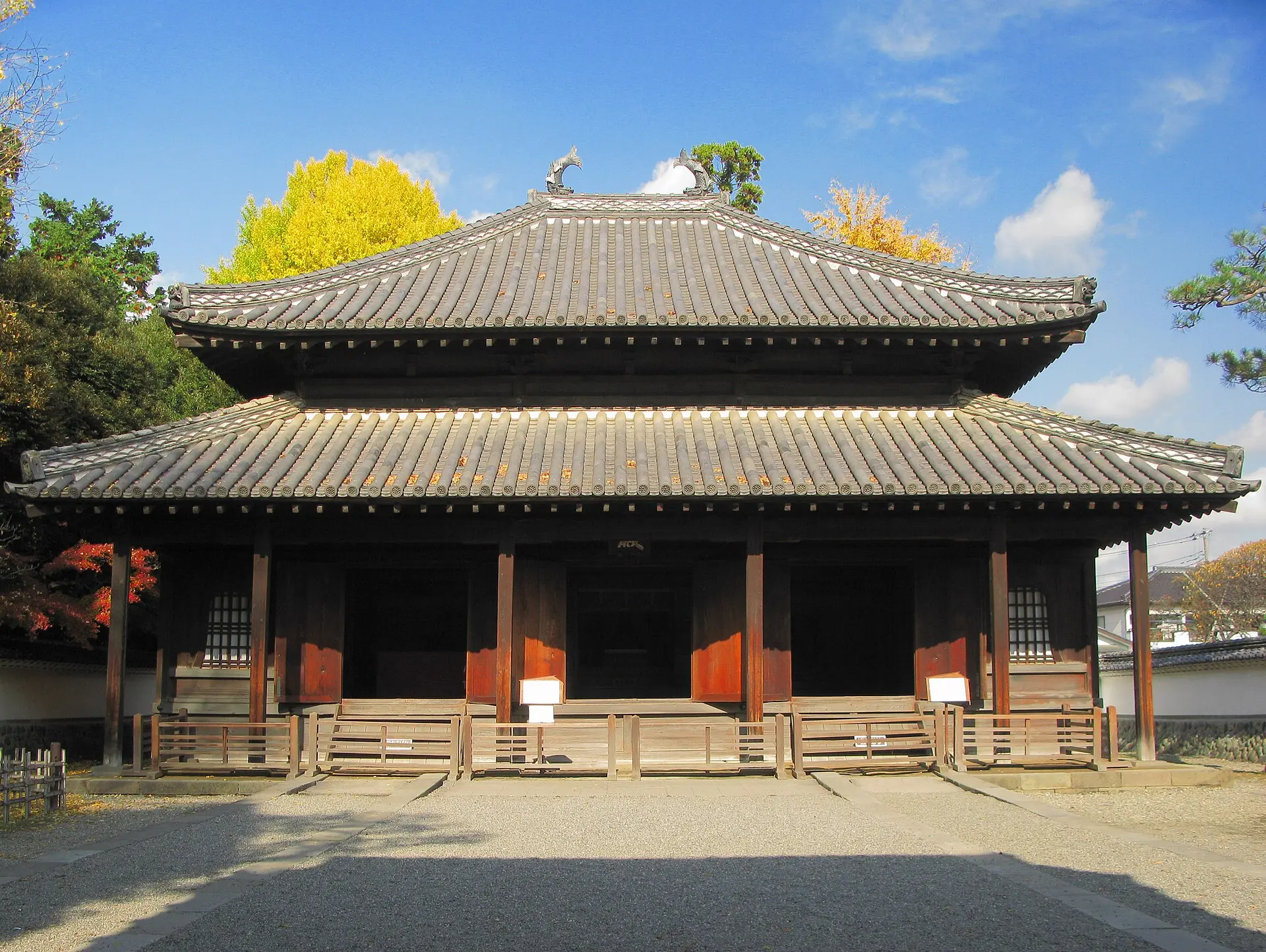
Koshibyo Confucian shrine, Ashikaga Gakko. Photo: 京浜にけ, CC BY 3.0 (https://creativecommons.org/licenses/by/3.0/), via Wikimedia Commons: https://commons.wikimedia.org/wiki/File:Ashikaga_Ashikaga-School_Koshibyo_1.JPGDownload 1920px
Ashikaga Gakkō
Ashikaga, Japan, About 842 (founding disputed) to 1872
lostreconstruction, imagined
National Historic Site; restored school open to visitors; Song-edition National Treasures held
See it on the globeCompare with anotherRead the record
Add to a shelf
A reconstruction, imagined
Drag to look around. Tap the round markers to learn what you are looking at.
Loading the room
Drag to look around. Tap a marker for detail.
- visitedGenerated image, not a photograph. Based on the city of Ashikaga's summary of its second conservation and improvement basic plan (史跡足利学校跡第2次保存整備基本計画書〔概要版〕): the restored buildings stand in the east zone. The Hojo has a thatched hip-and-gable roof, the Shoin, Shuryo and the new storehouse have board roofs, and the plan lists the Kuri under both thatch and board roofing. The Confucius temple and School Gate are historic and stand in the west zone, not shown. The image shows a thatched main hall, a second thatched building, board-roofed outbuildings, a thatched gate and a gravel yard. Which building is which is not known. The pine, shrubs, rocks, bamboo fence and wooded hills are guesses
Thatched main hall
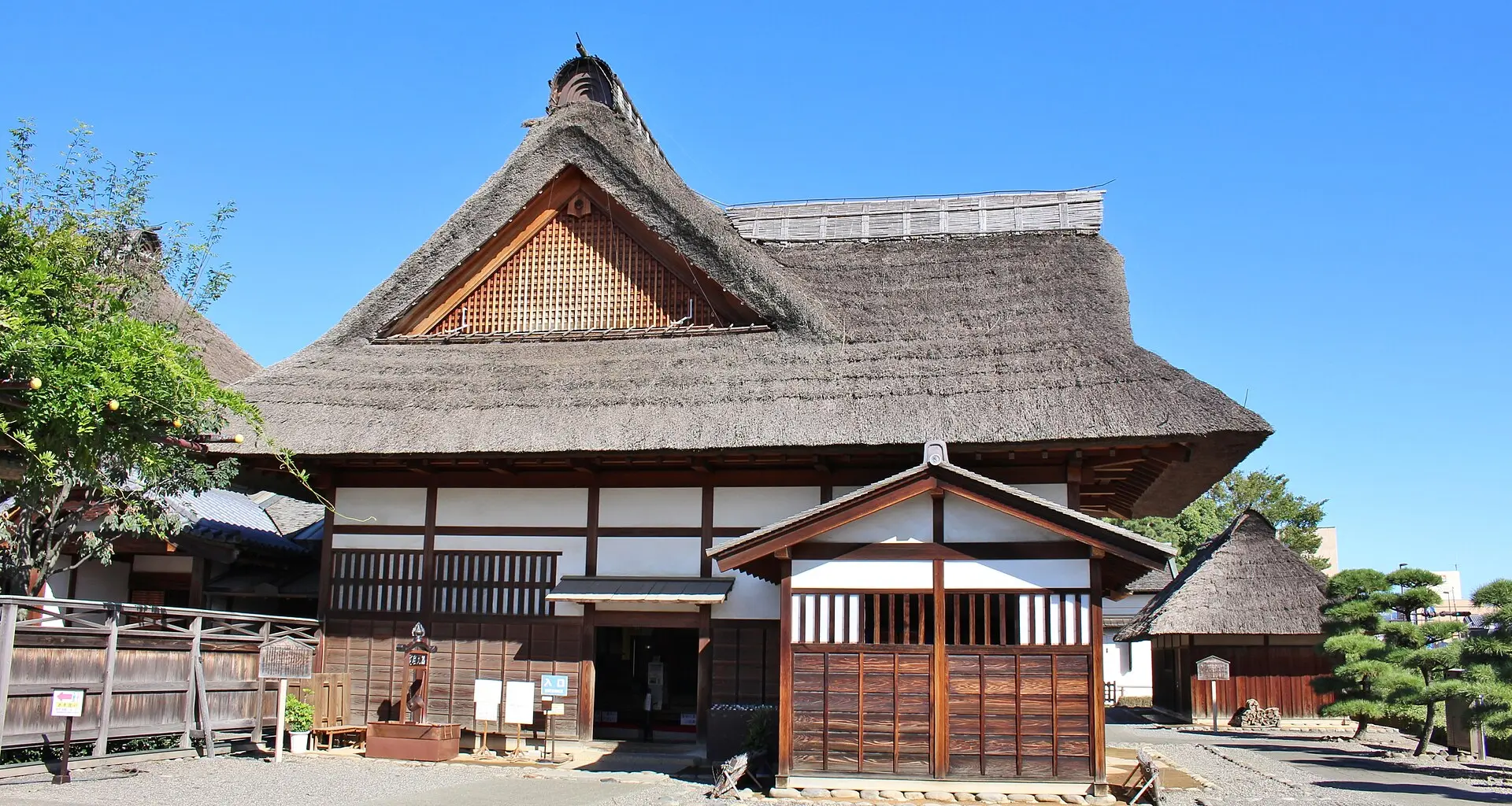
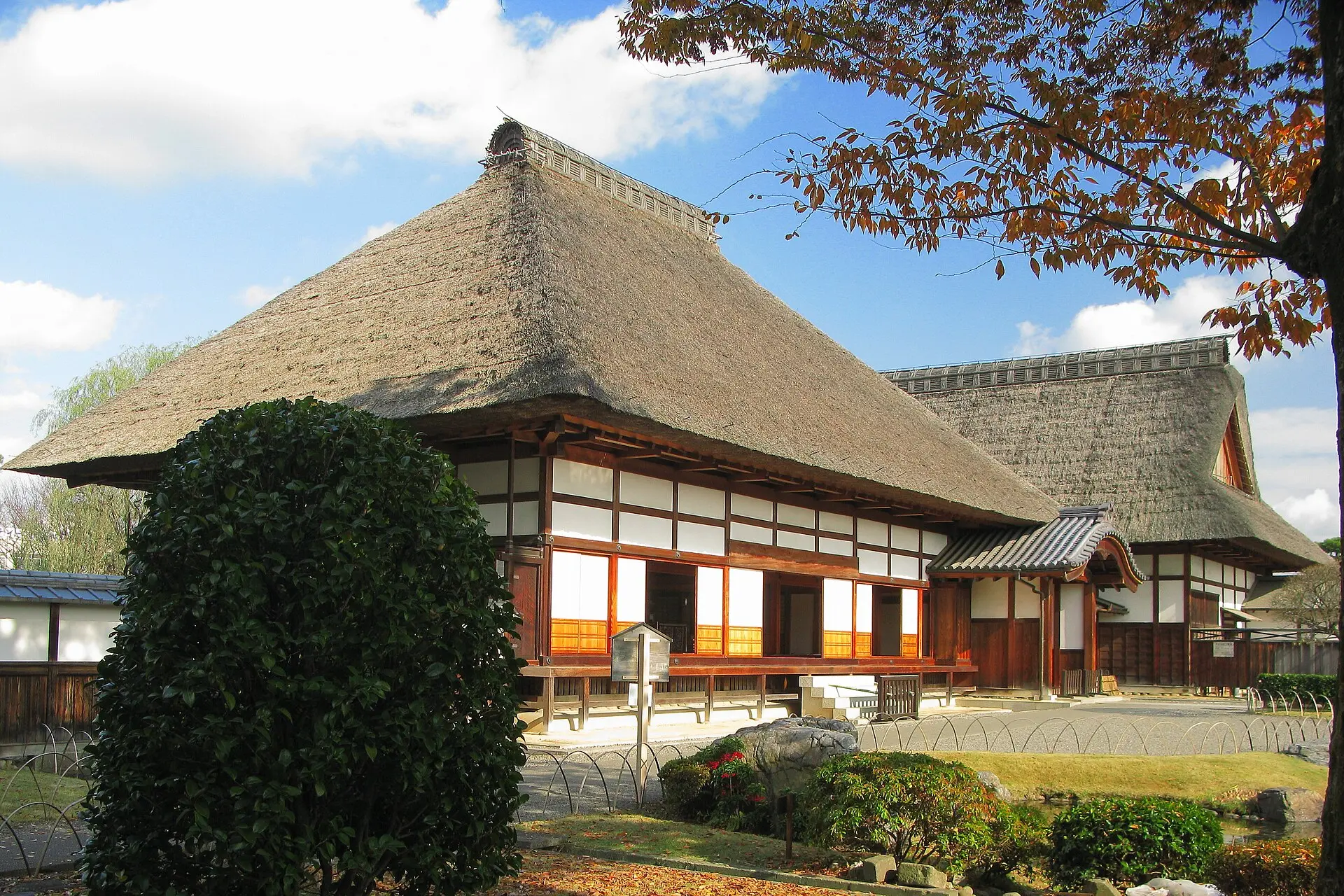
Object, in an imagined viewThe city's plan gives the Hojo of the restored area a thatched hip-and-gable roof. The large hall in the image has a thatched roof and wooden walls. It is a building of that kind, not a portrait of the real Hojo.
This view is imagined. The thing described is in the written record, and the source below says where.
attested primary Source
Board-roofed outbuildings
Object, in an imagined viewThe city's plan lists board roofs for the Shoin, Shuryo and the new storehouse, and lists the Kuri under both thatch and board. The long low buildings at the left and right of the image have board roofs and no tiles, which agrees. Which of them is which building is not known.
This view is imagined. The thing described is in the written record, and the source below says where.
attested primary Source
Rocks and planting
Object, in an imagined viewThe north and south gardens were restored to match picture maps, according to the city's plan. The image has a rock-edged planting bed with clipped shrubs and no pond. The layout and the rocks were not taken from those maps and are invented.
This view is imagined. The thing described is a guess. No source records it for this library.
invented primary Source
Pines and planting
Object, in an imagined viewThe city plan names a historic pine (Jifuri-matsu) among the site's features but gives no planting layout. The single shaped pine in this view is invented and is not that tree.
This view is imagined. The thing described is a guess. No source records it for this library.
invented primary Source
Bamboo fence
Object, in an imagined viewThe bamboo fence, the plain gravel yard, the thatched gate on the right and the wooded hills behind are guesses. No source read describes the enclosure or its materials.
This view is imagined. The thing described is a guess. No source records it for this library.
invented primary Source
What is not in view
Object, in an imagined viewThe Confucius temple hall (Daiseiden) and the School Gate stand in the west zone and are historic buildings, not rebuilt. They are not in this image. The restored buildings stand in the east. Where the books were kept in the Edo period is not covered by sources read here.
This view is imagined. The thing described is in the written record, and the source below says where.
attested primary Source
Take the evidence with you
Export this page's facts, sources, viewpoints, and any captured-camera position as a citable notebook or CSL JSON.
The record
Worth knowing
Ashikaga Gakkō, worth knowing: The city says no surviving record supports any theory of the school's origin earlier than 1410, although Ono no Takamura and Ashikaga Yoshikane are both named as founders.
Ashikaga Gakkō, worth knowing: The school drew about 3,000 students from across Japan around 1550, and Francis Xavier wrote of it in 1549 as the largest university in eastern Japan.
Reconstruction
Ashikaga Gakkō, reconstruction: In 1990 some buildings and gardens were restored to look as they did in the mid-Edo period (Japan Heritage directory).
Ashikaga Gakkō, reconstruction: The Hojo (main hall) and garden were reconstructed and opened in 1990, after seven years of excavation, once the elementary school on the east half had moved out.
Ashikaga Gakkō, reconstruction: Surviving older buildings include the Confucian shrine (Koshibyo) and the school gate (Gakkomon), designated a national historic site in 1921.
Ashikaga Gakkō, reconstruction: After closure in 1872 the east half of the site, where the Hojo stood, was converted to an elementary school and the Hojo dismantled; many buildings were removed.
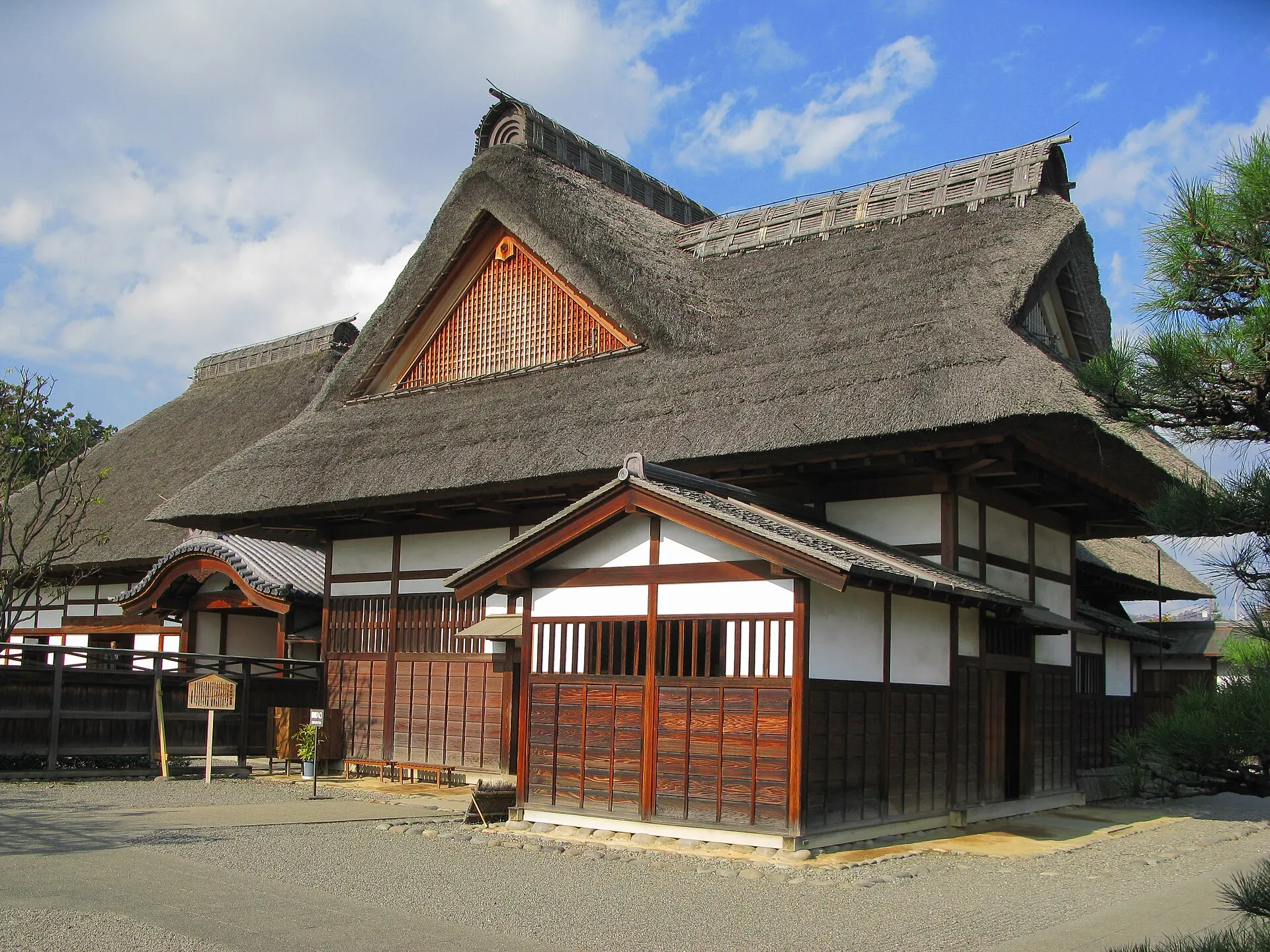
Ashikaga Gakkō, reconstruction: Ashikaga city plan: the reconstructed buildings have thatched and board-shingle roofs. Re-roofing works list thatch for the Hojo, Kuri, wood shed and rear gate, and board roofs for the Kuri, Shoin, Shuryo and new storehouse.
Ashikaga Gakkō, reconstruction: Ashikaga city plan lists the Kuri and Shoin among buildings getting board-roof repair, and groups reconstructed buildings, the Sanmon gate and the Taiseiden hall as the historic buildings.
Ashikaga Gakkō, reconstruction: In 1903 the first public library in Tochigi was set up on the school grounds (Ashikaga Gakko Iseki Library) to keep the old collection. This is a modern library, not a historic library hall.
Ashikaga Gakkō, reconstruction: The building called Hojo hosted lectures and events in the past.
Ashikaga Gakkō, reconstruction: The present building is a reconstruction of the school as it was in the Edo period.
What happened here
1872Ashikaga Gakkō, closed, 1872: The Ashikaga School was abolished in 1872.
1990Ashikaga Gakkō, reopened, 1990: The Ashikaga School was restored in December 1990.
Photographs

Use this photo
Thatched Hojo hall, Ashikaga Gakko. Photo: Yoshio Kohara, CC BY 3.0 (https://creativecommons.org/licenses/by/3.0/), via Wikimedia Commons: https://commons.wikimedia.org/wiki/File:%E8%B6%B3%E5%88%A9%E5%AD%A6%E6%A0%A1_-_panoramio.jpgDownload 1920px

Use this photo
Hojo hall of Ashikaga Gakko. Photo: 京浜にけ, CC BY 3.0 (https://creativecommons.org/licenses/by/3.0/), via Wikimedia Commons: https://commons.wikimedia.org/wiki/File:Ashikaga_Ashikaga-School_Hojyo_1.JPGDownload 1920px

Use this photo
Hojo hall entrance, Ashikaga Gakko. Photo: 京浜にけ, CC BY 3.0 (https://creativecommons.org/licenses/by/3.0/), via Wikimedia Commons: https://commons.wikimedia.org/wiki/File:Ashikaga_Ashikaga-School_Kuri_1.JPGDownload 1920px

Use this photo
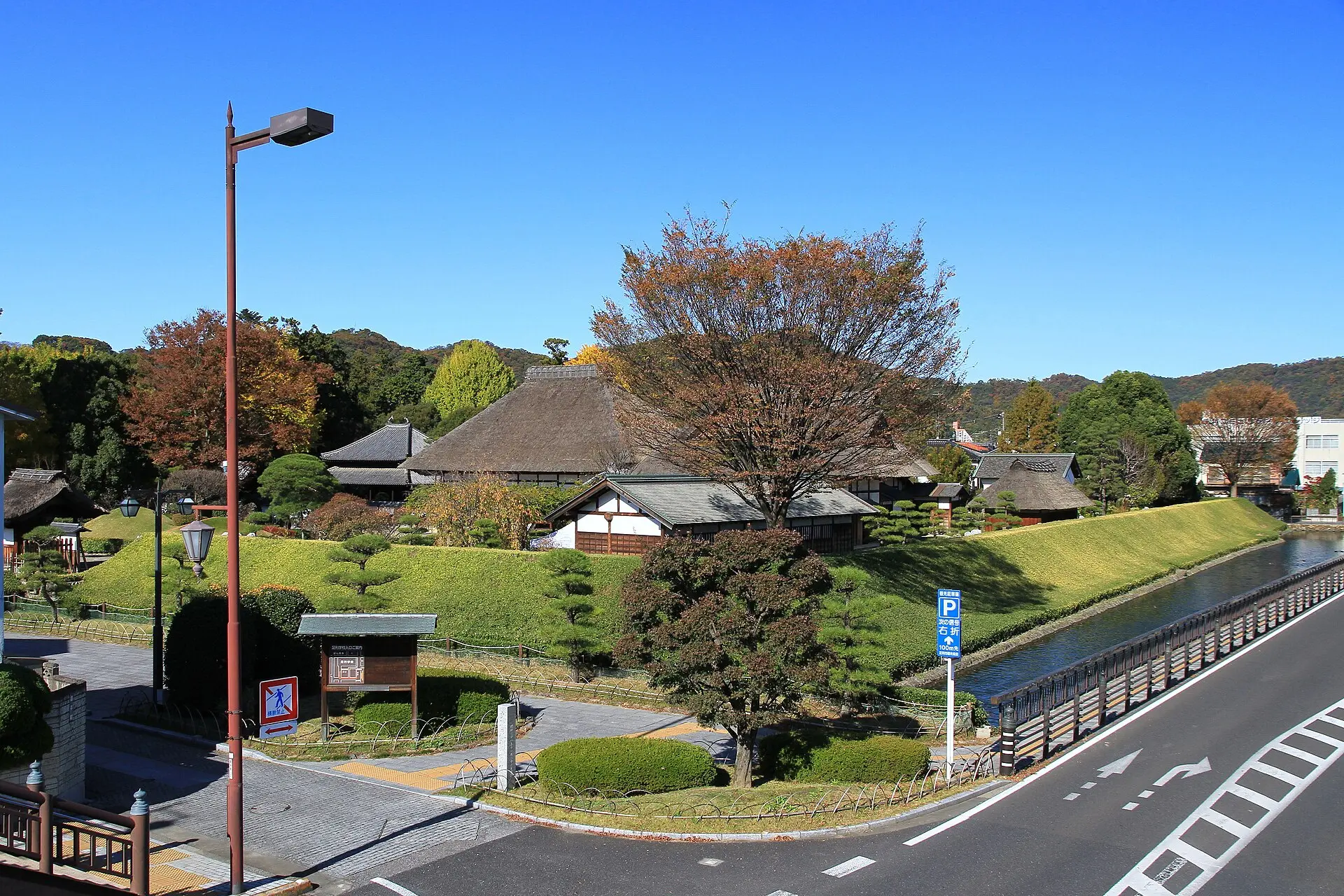
Ashikaga Gakko site and moat, Ashikaga. Photo: 京浜にけ, CC BY 3.0 (https://creativecommons.org/licenses/by/3.0/), via Wikimedia Commons: https://commons.wikimedia.org/wiki/File:Ashikaga_Ashikaga-School_Panorama_1.JPGDownload 1920px

Use this photo
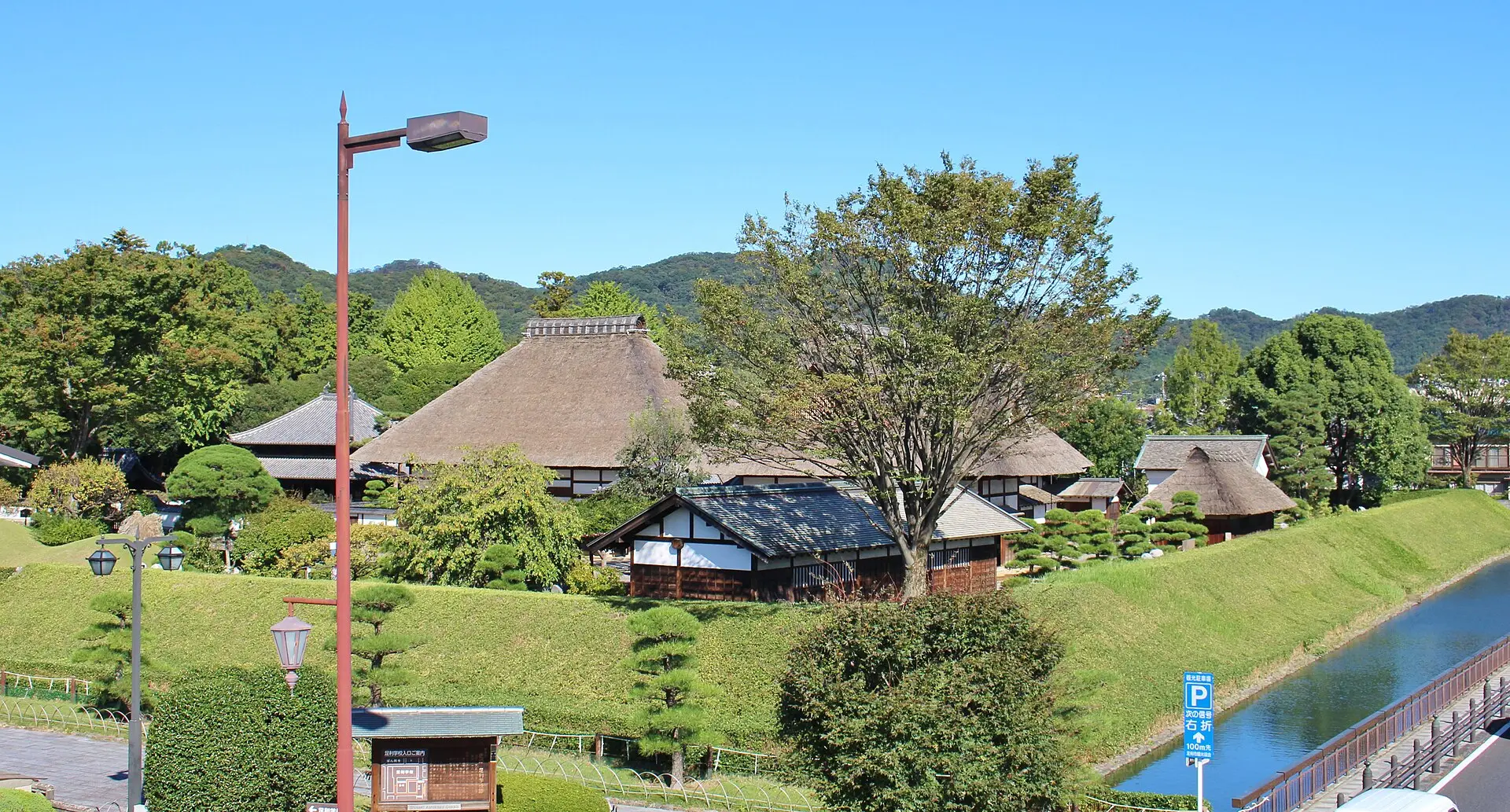
Historic Ashikaga Gakko seen across the moat. Photo: Yoshio Kohara, CC BY 3.0 (https://creativecommons.org/licenses/by/3.0/), via Wikimedia Commons: https://commons.wikimedia.org/wiki/File:%E5%8F%B2%E8%B7%A1%E8%B6%B3%E5%88%A9%E5%AD%A6%E6%A0%A1_-_panoramio.jpgDownload 1920px

Use this photo
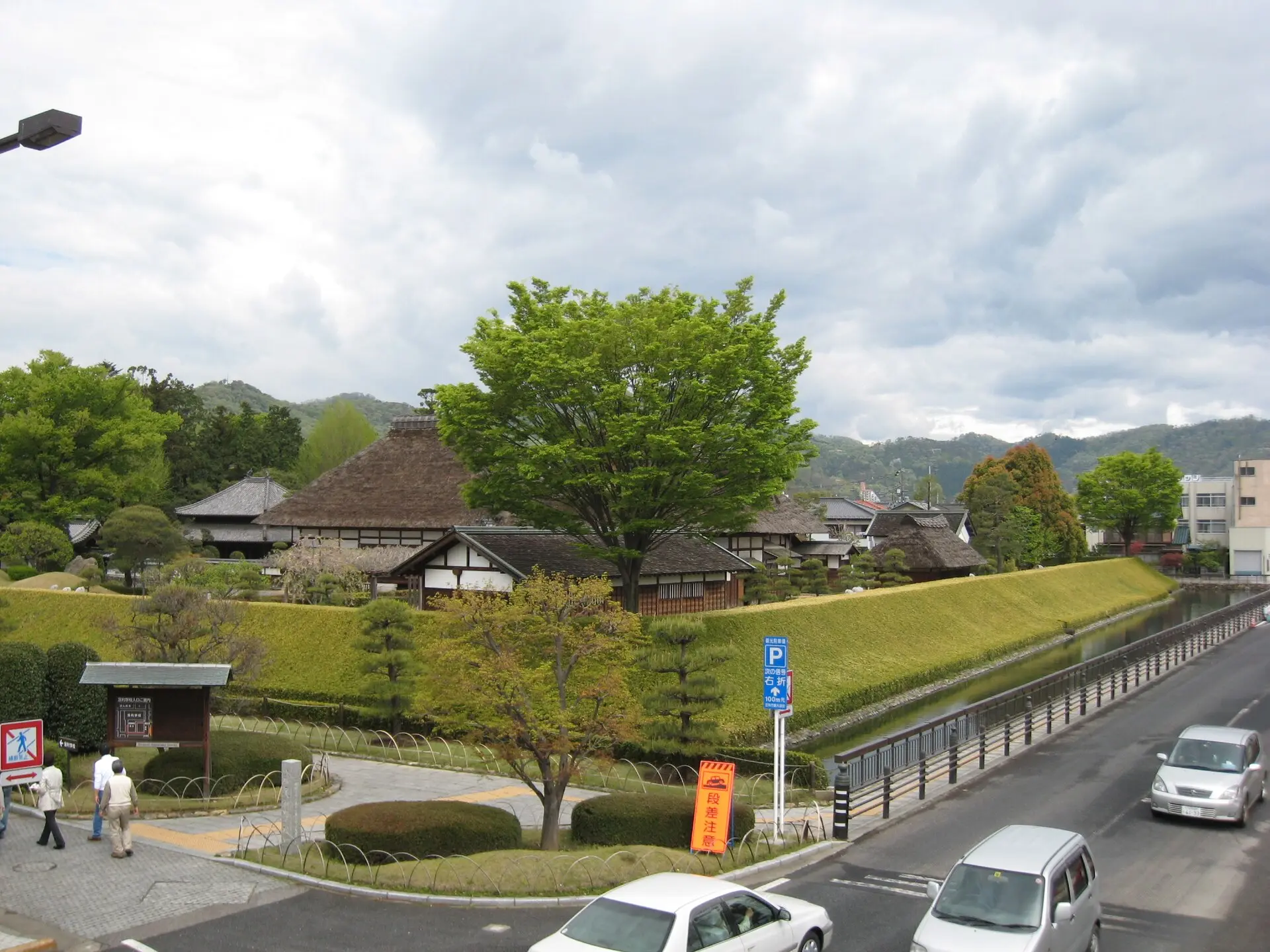
Ashikaga Gakko grounds, Ashikaga. Photo: User: (WT-shared) Taketarou at wts wikivoyage / (WT-ja) Taketarou, CC BY-SA 1.0 (https://creativecommons.org/licenses/by-sa/1.0/), via Wikimedia Commons: https://commons.wikimedia.org/wiki/File:AshikagaGakkoView.jpgDownload 1920px